Es mostren els missatges amb l'etiqueta de comentaris Kenzo Tange. Mostrar tots els missatges

21/5/12

Golden Week - Part II

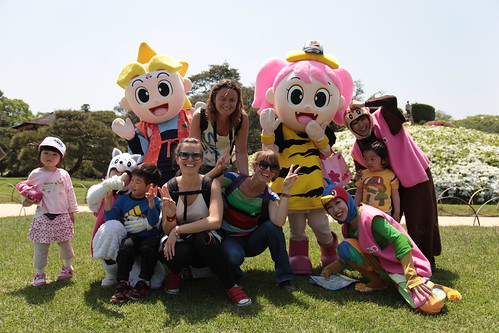
I després de Kyoto, el mini tour japonès va continuar per la regió de Chugoku. Primera parada a Okayama, una ciutat coneguda per tenir un dels tres jardins més bonics del Japó, Korakuen, i bé que voleu que us digui en vaig sortir una mica decepcionat, em pensava que seria una altra cosa més espectacular. Anteriorment ja havia visitat el de Kanazawa (un altre dels tres) i  no té ni punt de comparació. En qualsevol cas, tampoc va estar malament, feia un dia espectacular i va ser prou divertit ja que al ser el dia oficial dels nens hi havia canalla per tot arreu.

And after Kyoto the Japanese mini-tour continued through the Chugoku region. First stop in Okayama, a city known to have one of the best three gardens in Japan, Korakuen...and well I have to say that although nice I was a bit disappointed, I thought it would be something more spectacular. Previously I had already seen the garden of Kanazawa (one of the other three) and to my opinion is much better. In any case the visit was interesting, we had a great sunny day and as it was the official Children's day there were plenty of them everywhere.  
Korakuen 
IMG_1368
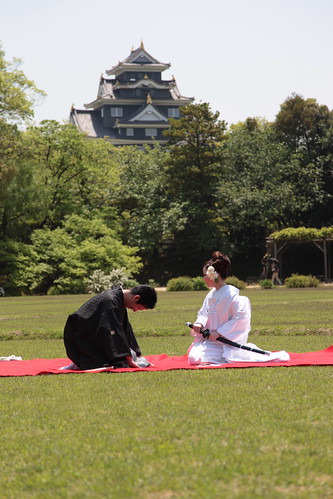
Sessió fotogràfica acabats de casar / Photo shooting after wedding
IMG_1371
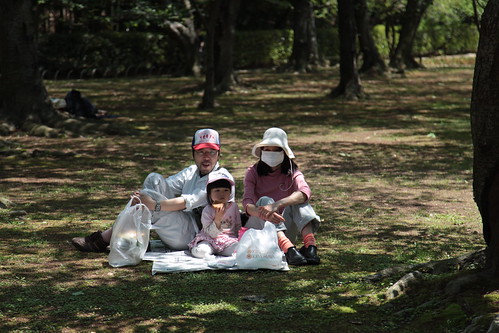
Picnic familiar sota els arbres / Family picnic on the trees' shadow
IMG_1381

IMG_1405

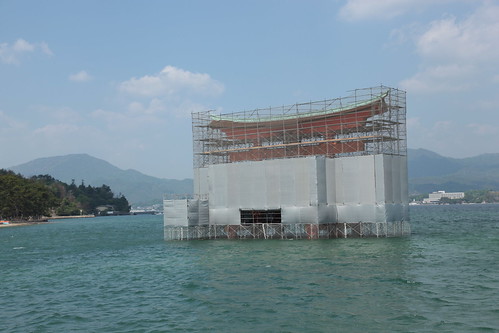
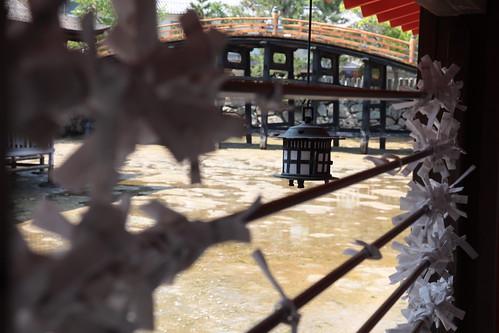
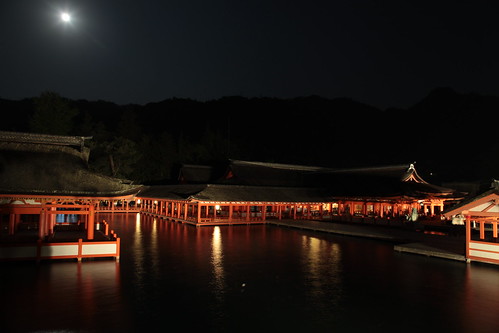
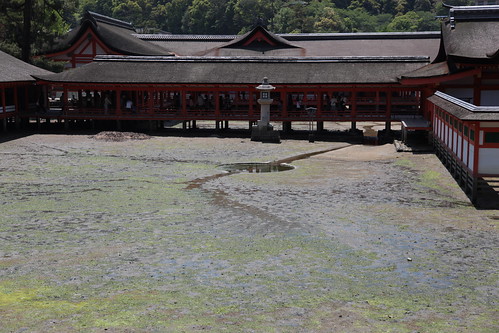
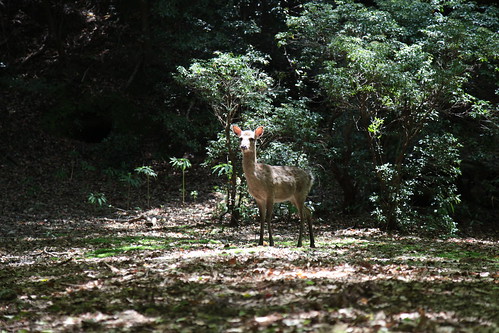
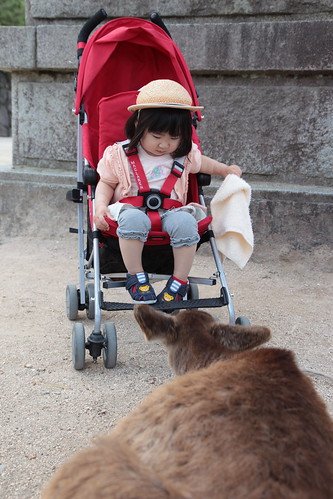
La segona parada va ser a Miyajima, una petita illa situada al davant d'Hiroshima i que té una de les imatges més conegudes del Japó, la porta Tori que flota sobre l'aigua. Considerada una de les tres imatges més boniques del Japó (nota: al Japó està ple d'aquestes classificacions de les 3 coses més...), o sigui que era una cosa obligatòria a visitar i que tenia ben marcat des de feia temps...ara quan vàrem arribar allà ens vem endur un "xasco" de dimensions considerables ja que la porta està temporalment tapada per obres de rehabilitació després de que un tifó passés per l'illa fa uns mesos. Ja us ho podeu imaginar doncs...ens vàrem quedar sense la famosa imatge però bé la visita va pagar la pena, l'illa és molt xula, sobretot si t'hi quedes una nit perquè al vespre quan marxa pràcticament tothom hi ha més cérvols que persones, en un ambient molt tranquil i relaxat. A part, l'illa en si es considera sagrada hi ha un gran santuari sintoísta, Itsukushima que també té unes imatges molt xules. Per tant sigui de nit, de dia, amb marea alta o marea baixa, un lloc molt recomanable a visitar!

The second stop was in Miyajima, a little island just in front of Hiroshima which has one of the most well-known images from Japan, the Torii gate floating in the sea. This torii is considered one of the three best views of Japan (note: as you may have noticed in Japan there are plenty of the three best things...), so it was a mandatory stopover in the journey and I had well underlined in my notebook since long time ago...but when we got there we had the biggest (bad)surprises of our trip, the torii was all covered up, apparently they are doing some work to fix some damage caused by a typhoon some weeks ago...so you can imagine our disappointment to not being able to capture the image we were looking for, but either ways the visit was worthwhile, the island is gorgeous, especially at night when almost everyone leaves and there more deers than human beings around :), so quiet and peaceful! Besides this, the island itself is considered a holly place and there is a big shintoist shrine, Itsukushima which gives lovely views. So, either by night, day, high or low tide, Miyajima is definitely a place to visit. 

IMG_1563


IMG_1592

IMG_1485

IMG_1644

IMG_1623

IMG_1568

IMG_1650
Aquesta és la imatge que buscàvem / That was supposed to be what we were looking for. By Kirainet.com 

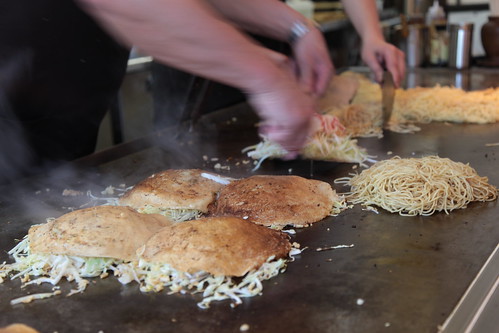
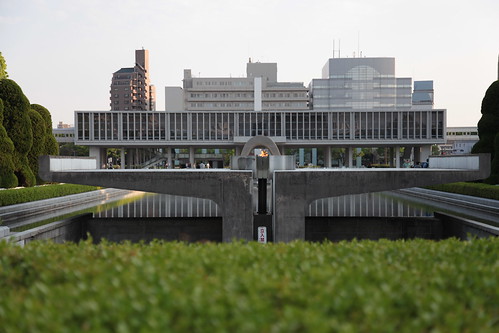
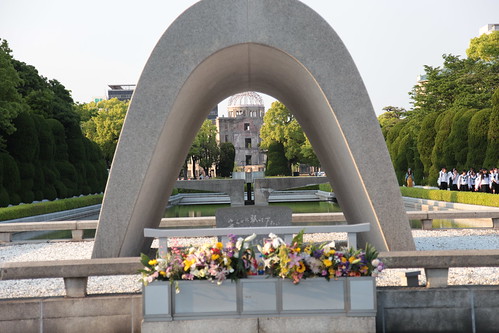
Després de la visita a l'illa un clàssic gastronòmic... ens vàrem "inflar" dels famosos okonomiyaki que a la regió els fan amb fideus incorporats i finalment última parada del mini tour per visitar una mica Hiroshima, ciutat industrial que malauradement destaca pels fets fatídics del 1945 i amb poca cosa més d'interès turístic. Allà visita al parc de la pau amb el cenotafí en record a les victimes i evidentment la visita obligada al museu memorial de la Pau. Del museu, bé simplement pel que representa mereix tot el meu respecte i realment la visita té moments colpidors ara també val a dir que vaig trobar que tota la exposició està una mica "caducada", sembla que ja tingui uns quants anys i crec que amb els recursos tecnològics actuals es podria millorar bastant. A banda vaig trobar a faltar una mica més d'esperit crític o de més anàlisi de certs elements de debat, però bé entenc que és un tema delicat...

After the visit to the island we gave ourself a gastronomic treat with the famous Okonomiyaki Hiroshima's style that are made with noodles in the cake. After this, my last stop of the mini tour was to visit a bit of HIroshima, an industrial city that unfortunately is known by the fateful events of 1945 and not much else for tourism. There we visited the memorial park of peace with the cenotaph in memorial of the victims and obviously we visited the Peace memorial museum, a museum that only for what it represents it already deserves all my respect and certainly it has quite upsetting images but at the same time I found the whole exposition was a little bit out-dated, it looks like it already has some years and I would say that with the current tech resources they could do a better job. Also, I lacked a bit more of discussion and open points for debate, but well I understand is not an easy subject to deal with...
IMG_1673
Okonomiyaki Hiroshima's style!
IMG_1693

IMG_1682

5/10/11

Metabolism

Recomenació per a tots aquells que viviu o passareu per Tokyo properament...aneu a visitar la nova exposició del Museu d'art Mori, és molt i molt interessant. L'exposició anomenada "Metabolism" fa referència al moviment arquitectònic del mateix nom creat per un grup de joves arquitectes i dissenyadors Japonesos a principis dels 60s.

Recommendation for those living in Tokyo or plan to come soon...go to visit the new exhibition at Mori Art Museum, is really really interesting. The exhibition, called ¨Metabolism¨refers to the architectural movement of the same name created by a group of young Japanese architects and designers beginning of the 60s.

Photobucket

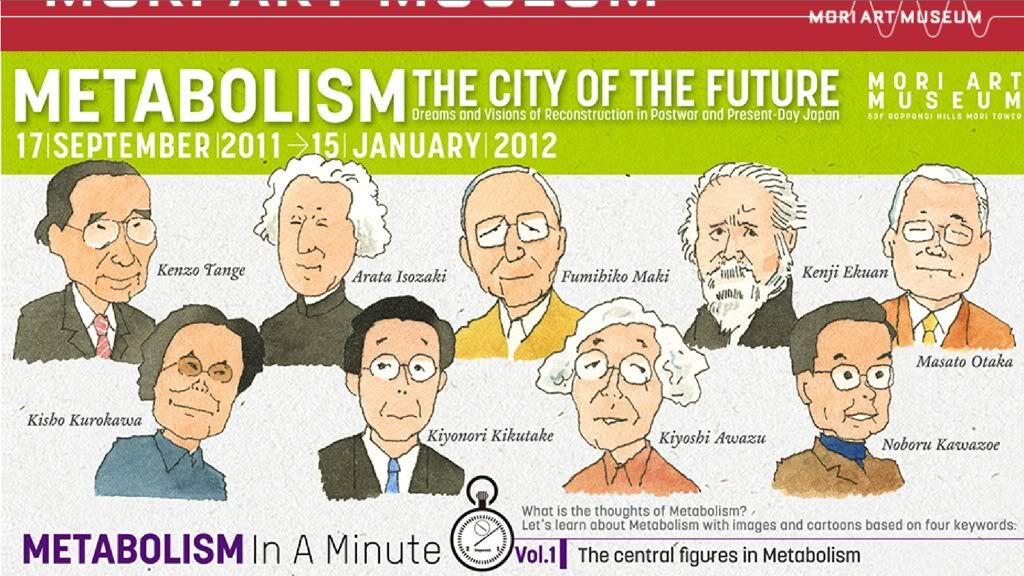
El grup liderat pel famós arquitecte Kenzo Tange (creador entre altres de l'estadi olímpic de Tokyo, les torres de l'oficina metropolitana a Shinjuku o el memorial de la pau a Hiroshima), estava format per altres personatges brillants com Kisho Kurokawa o Kiyonori Kikutake els quals van conceptualitzar una nova visió de l'urbanisme amb conceptes ultra-moderns i clarament avantguardistes al seu temps. Influenciats per una societat japonesa on s'havia produit un creixement urbà molt ràpid i accelerat les seves propostes eren projectes urbans estructurats i perfectament ordenats però també flexibles i ampliables com si tinguéssin vida pròpia. 

The movement lead by the famous architect Kenzo Tange (creator among others of Tokyo olympic stadium, Metropolitan office towers in Shinjuku or the Peace memorial in Hiroshima), had other brilliant names such Kisho Kurokawa or Kiyonori Kikutake, who started to conceptualize a new vision of urbanism with ultra-modern and avant-garde concepts ahead of their time. Influenced by a Japanese society that had a huge and rapid urban growth, their proposals were structured urban projects, perfectly organized but flexible and expandable as well, as if they had own life. The concept was also characterized to use all elements of earth, land, air or water.
Photobucket

La veritat és que els projectes que es presenten en l'exposició et deixen bocabadat, és al.lucinant pensar que ja als anys 60 hi va haver gent que proposava conceptes tan innovadors i trencadors, semblava ben bé estar en alguna la peli futurista de ciencia-ficció. Evidentment la majoria dels projectes que van presentar mai van arribar a veure la llum...massa avançats al seu temps! Alguns però sí que es van realitzar com el famós estadi olímpic de Tokyo creat pels jocs olímpics del...64!!!!

To tell you the truth the project in exhibition are amazing, no words to describe it, just to think that there was people suggesting these kind of innovative concepts on the 60s is crazy, and one really felt as being in a futuristic movie of science-fiction. Obviously most of these projects never came to light...too advanced to his time! Some individual did it, like the famous Olympic stadium of Tokyo, built for the Olympic games of...1964!!

Tokyo Olympic stadium (1964) 

Ara segurament si hi ha un projecte que marca el moviment, és l'edifici Nakajin a Tokyo, el primer hotel càpsula que es va crear (recordeu que en parlava fa uns dies d'aquests tipus d'hotels?). Creat per K.Kurokawa l'edifici està literalmet composat per càpsules independents amb l'idea de fóssin extraibles i intercanviables seguint la visió del moviment. La llàstima és que a dia d'avui l'edifici fa pena i s'està debatent entre tirar-lo a terra o no...situat al mig de Tokyo, en una zona d'alt valor immobiliari em sembla que ja sé com acabarà la història...una gran pèrdua.

However if there is a building that really exemplifies the movement, this is the Nakajin capsule tower in Tokyo, the very first capsule hotel ever built (do you remember I wrote about this concept some days ago?). Created by K.Kurokawa the building is composed of real capsules, independents one of each other with the idea that they could be mobiles and exchangeable, following the vision of this movement. The sad side is that nowadays the building is in a complete poor condition and the debate is whether they should knock it down or not...located at central Tokyo, in an area of high real-estate value I think I already know how the story will end up...a great lost. 

Nakajin capsule tower (1972)