Es mostren els missatges amb l'etiqueta de comentaris Menjar. Mostrar tots els missatges

8/11/13

Gelats de tardor! - Autumn ice-creams!

S'acosta el fred i una de les coses que desapareixen de la vida quotidiana són els gelats...bé serà a Europa perquè aquí tenim gelats tot l'any. Segurament us sonarà estrany, això de barrejar fred amb fred no sembla que lligui gaire però al Japó el consum de gelats és molt comú i pràcticament sense diferencia estacional, és més quan arriba la tardor fins i tot treuen campanyes de màrqueting de tardor-hivern o nous productes amb ingredients de temporada. El tema ingredients, és bastant interessant, hi ha coses  ben particulars...i els gustos també! L'altre són les formes i textures, val a dir que la indústria japonesa de gelats és molt creativa creant formes i aparences del tot diferents. A sota us deixo uns exemples curiosos:   

Chilly winter is just around the corner and one thing that usually vanish from our life are ice-creams...well at least in Europe because here they eat them all year long. It may sound bizarre, cold with cold doesn`t seem to mix very well but in Japan the consumption of ice-cream is very popular and there is no big seasonal differences, even more, when fall approaches manufacturers launch special marketing campaigns or new products with seasonal ingredients. Actually the subject of ingredients is quite interesting, there are very particular examples...and flavors too! Another aspect are the shape and textures, I found the japanese ice-cream industry quite creative in this area always launching new shapes and appearances new to me. Here some examples:

Començem amb un clàssic, el Coolish...sabors estandars (maduixa, plàtan...) però interessant n'és la forma, com podeu veure en la foto el concepte de gelat és realment diferent amb un envàs bastant innovador, com podeu veure s'ha d'esprèmer per poder menjar, tal qual fós pasta de dents!

To start with a classic, Coolish...standard flavors (strawberry, banana...) with a very particular shape, as you can see below the concept is quite different from what we are used to since you need to squeeze-up the package to be able to eat it, as it was a toothpaste tube!

 photo file_zps498050b0.jpg

Sabors més tradicionals....pels japonesos clar! És típic les varietats de gelats de mongetes vermelles (azuki), en la primera foto barrejat amb macha (tè verd), rememorant un postre tradicional d'estiu. A sota podem veure la versió completa de mongetes (mmm...una cosa bastant peculiar)  o altres sabors particulars com el de pastís de patata de dolça.

Then more traditionals flavours...for Japanese of course! Typical are the varieties with red beans (azuki), in the first picture mixed with macha (green tea) like a traditional summer dessert. Below that, there is a full version with azuki and another with traditional flavor of sweet potato cake!
 photo Screenshot2013-11-05at112514PM_zpsc0883b03.png
 photo file_zps1b88e974.jpg
 photo file_zps7bea91e9.jpg

Una altre delicatessen...els gelats amb gust i textura de "mochi" (els pastissets d'arròs glutinós/enganxós). El primer és gelat de mochi amb kinako (farina de soja),  la segona foto l'anomenen "mochi-cream", el que és interessant és la forma igual a un mochi dels de sempre!

Another delicacy...the ice-creams with "mochi" taste and texture! Mochi is the typical sweet made of glutinous rice. The first example is an ice-cream of mochi and kinako (soybean flour) ...very yummy! The other one called "mochi-cream" it even has the regular shape of a mochi ball!!


 photo file_zps7a7d9272.jpg photo file_zps22d1c645.jpg

Ara el Japó també tenen bombes...atenció a les dues novetats que vaig veure l'altre dia. La primera gairebé 300kcal/porció i la segona, record dels records, gairebé 400kcal / porció!!! Perquè després diguin allò que al Japó tot és molt sa i equilibrat! 

In Japan there are also big treats...look at two of the new launches I saw the other day. The first one is almost 300kcal/portion and the other below, top of the top, almost 400kcal!! A good example for those that believe in Japan everything is healthy and balanced!

 photo file_zpse5d776d2.jpg
 photo file_zpsa9a93471.jpg

El meu favorit de la temporada però...el gelat de patata dolça! Fins i tot en té forma i la cobertura ressemblant la pell!
My season's favorite, the sweet potato ice-cream....it even has the shape and its skin! photo file_zps93e8fbf3.jpg
Per acabar us deixo un altre exemple de gelat...fals! Tot i l'aparença es tracta d'una galeta! Coses dels japonesos! 

Lastly, another exemple of an ice-cream...fake! Albeit its look, this is a biscuit !! Japanese style!
 photo file_zps6bc34799.jpg

10/2/13

Aprenent cuina japonesa - Learning Japanese cuisine

Un dels desitjos pel 2013 és que a part de continuar gaudint dels plaers de la gastronomia japonesa, vull aprendre a cuinar-ne les seves receptes. La veritat és que al Japó degut a la gran oferta (i barata) de restaurants i al fet que els apartaments acostumen a ser molt petits, la gent menja molt a fora casa i jo que sóc bastant de cuinar i trobades casolanes al voltant d'uns taula doncs des de que estic per aquí ho he trobat a faltar...i evidentment no pot ser, el dia que marxi del Japó a banda d'emportar-me'n bons records gastronòmics també voldria que anéssin acompanyats de coneixement o sigui que finalment aquesta setmana vaig experimentar la primera classe de cuina japonesa. Aquí us deixo el menú....bo bo bo ;) 

One of my resolutions for 2013 is that besides enjoying the japanese cuisine, I would like to learn how to cook it. Actually although I like to cook since I'm in Japan I don't do it very often. Here the tendency is usually to go out, either because the offer of restaurants is huge at reasonable price or because the size of appartments are quite small, people tend to meet up outside home. So at then I decided that regardless of this I wanted to learn and finally this week started my first japanese cooking lesson. Here the menú...yummy, yummy!!

1. Amanida de Nagaimo condmentada amb una salsa de Wasabi / Nagaimo salad with wasabi dressing

 photo file_zpsae3ee8e5.jpg
Bona recepta per començar, el nagaimo (un tipus de boniato) era la típica verdura japonesa que mai sabia com cuinar-la. Em van comentar que normalment es menja cru o lleugerament fregit (com el nostre cas), la seva gran característica és la textura mucosa, bastant peculiar! La salsa wasabi mmm....boníssima!

Nice recipe to begin with, nagaimo (a kind of yam) so far was the typical japanese vegetable that I never knew how to cook. Now I learnt that usually it is eaten raw or slightly fried (like ours), its main characteristic is that is very sticky becoming mucilaginous when grated! The wasabi dressing....yummy yummy!!

2 Soja amb renkon  i gobo amakara age / Soybean with renkon and gobo amakara age
 photo file_zps48b87700.jpg
La base d'aquesta recepta és la soja (en mongeta) barrejada amb dos vegetals clàssics, el renkon (arrel del lotus) i el gobo fregits amb una salsa agre-dolça a base de soja i sucre. Resultat boníssim...la millor de la nit sens dubte! 

You take soybeans as the base mix with two classic japanese vegetables, renkon (lotus root) and gobo, deep-fry them and add a sour-sweet sauce made of soy and sugar. The result really goood....to me the best recipe of the night!


3. Irodori soboro gohan
 photo file_zpsb82c19ac.jpg 
Aquesta és una recepta típica japonesa que habitualment forma part dels bentos (carmanyoles) dels més petits. Irodori vol dir colorejat, soboro gohan (arròs) doncs és arròs amb toppings de diferents colors, en el nostre cas, pollastre, ou i gamba que es cuina amb una salsa dolça de soja.  

This is a traditional japanese recipe commonly found in bentos especially among children. Irodori means colourful, soboro gohan (rice) then is rice with colourful toppings in our case chicken, egg and shrimp cooked with a sweet soy sauce.   

4. Sardine dango isobe maki (Hamburgueses de sardina / Sardine hamburger)
 photo file_zps13b362a2.jpg
Segurament el plat més elaborat i interessant de fer. Tal qual, hamburgueses de sardina farçides de verdura (entre d'altres bambú) i recobertes d'alga nori. Resultat més que acceptable! 

Probably the most sophisticated and elaborated dish. They really were sardine hamburger 100%. with vegetables (among others bamboo) and wrapped with nori seaweed. The results was very interesting!

5. Kuromitsu kinako mochi  photo file_zpsfb3e0293.jpg
Per acabar un clàssic de la cuina japonesa, mochi (arròs enganxós) fregit amb salsa de xarop de sucre i kinako (farina de soja). Bo, però certament no seria el postre més adequat per fer la digestió :) 

As a dessert, a classic of the japanese cuisine, fried mochi (sticky rice) with brown sugar syrup and kinako (soybean flour). Yummy, but certainly not the best choice if you look to ease your digestion :)

 photo file_zps97b1b004.jpg

Aquí el menú complet, presentat a la japonesa....cada cosa té una raó de ser.
The complete menu presented in the japanese way....everything has a reason to be. 

 photo file_zps388c60df.jpg

I finalment aquí algunes de les companyes que com a bones japoneses van immortalitzar el moment amb unes fotografies també ;)

And finally a picture with some of the colleagues who as a good japanese didn't miss the opportunity to took some pictures at the end ;)

11/1/13

Oshogatsu (New Year) - part II


L'any nou Japonès (Oshogatsu) està ple de tradicions, si en l'anterior post us parlava del Hatsumode, altres activitats típiques són les postals d'any nou (similars a la nostra tradició de les postals de Nadal, aquí els primers dies de l'any se'n troben per tot arreu) o l'anomenada otoshidama (tradició de donar diners de pares a fills en forma de regal d'any nou). Més enllà d'això com a bona societat sibarita que són, el menjar també juga un paper mooolt important amb l'anomenat Osechi Ryori o menjar japonès d'any nou, una tradició amb més de mil anys d'història i que evidentment jo tenia molt d'interès de provar i bé...vaig ser tan afortunat que en Manabu, un bon amic japonès, em va convidar a casa seva a passar el dinar d'any nou amb la seva família!! Val a dir que aquí no tothom el conviden a casa de un i menys en dies tan especials o sigui que per a mi va ser tot un honor!! L'experiència va ser absolutament fantàstica, són tan amables i considerats que evidentment em van fer sentir com el rei de la casa!
La veritat és que l'any nou Japonès em va recordar bastant al nostre dia de Nadal, el dinar sol començar bastant tard però també acaba molt tard engantxant-se amb el sopar, et passes el dia menjant i bevent! Entremig, un clàssic són els programes televisió especials d'any nou amb tot tipus de shows 100% japonesos i evidentment les competicions esportives, ara, aquí enlloc del tradicional salts d'esquí tenen el torneig nacional de futbol d'instituts seguit per milions de persones per tot el país!.
L'experiència de l'Osechi ryori va ser molt interessant, es tracta de menjar fet per aguantar diversos dies, diuen que es va començar a fer com a forma de subsistència ja que durant el període d'oshogatsu com que hi havia tots els establiments tancats, era molt difícil aproveir-se i s'havia de buscar coses que aguantéssin diversos dies. Es serveix en unes capses especials, anomenades jubako, similars als bento i avui dia la gran majoria es compra ja preparat en grans magatzems o fins i tot en les botigues de conveniència, per sort en el nostre cas però va ser tot fet a casa i és que a la mare d'en Manabu li agrada molt cuinar. La particularitat de l'Osechi ryori és que cada producte té una significació especial, per exemple hi ha kuromame (mongetes negres) com a símbol de salut pel nou any, konbu (algues) com a símbol de felicitat, tazukuri (sardines seques en salsa soja) com a símbol de bona collita (arròs) o kazunoko (ous d'arengada) com a símbol de fertilitat. En fi, un munt de combinacions de preparacions molt japoneses i amb resultats molt peculiars pels paladars occidentals però també molt bo.
Per rematar-ho, acabat al dinar, estava tan posat en la tradició que fins i tot vaig tenir el plaer de provar per primera vegada un kimono japonès verdader! i no era un kimono qualsevol sinó un que venia d'herència de diverses generacions o sigui amb molta història al darrera però en un estat que estava nou.  Déu ni do, el que costa posar-se un kimono, d'entrada ja us dic que sol no te'l pots posar i és que al final vaig acabar portant quatre capes de roba a sobre, evidentment amb tot això haig de reconèixer que gaire còmode no és...ara l'experiència un 10!

Photobucket


The Japanese new year (Oshogatsu) is full of traditions, if in the previous post I talked about the Hatsumode, other typical activities also include the new year's postcards (quite similar to our postcards for Christmas, but here you find them a bit later, only for few days but in each single corner of the city) or the so called otoshidama (tradition to give money from parents to children as a present for new year). Beyond that and as a good gourmet society, food also plays a central role with what they called Osechi ryori or the Japanese new year's food, a tradition with more than thousand years of history and that of course I was really looking forward it...so, I was so lucky that Manabu, a good Japanese friend, invited me to his parents place to share a new year's lunch with his family!! Considering that here in Japan is not that common that you receive this kind of invitation and moreover in such an special date, it was a great honour for me!! The experience was absolutely fantastic, they are so kind and considered that obviously made me feel as a real honorary guest!!
The Japanese new year celebration reminded me quite a lot to our Christmas day, their lunch usually starts quite late so does the finishing time, overlapping with the dinner so you are drinking and eating all day long! In between, a classical are the special TV shows for new year's with all kind of programs 100% japanese style as well as sport competitions, however instead of the traditional European ski jumps, here they have the national football tournament of high-schools which is followed by millions of people all over the country!
The Osechi ryori experience was really interesting, this preparation began as a way to stock food for several days since during oshogatsu everything is closed (especially longtime ago) and so it was hardly possible to buy fresh products and they had to find preparations that could preserve several days. Osechi it is served in special boxes, similar to Bento called Jubako and nowadays most of the people buys it already prepared from department stores or even convenience stores, in our case however It was an exception since Manabu's mother always prepare it at home...yummy. There many different food or preparations in Osechi ryori and the particularity is that each one has a special meaning, for instance there is kuromame (black beans) as a symbol of health in the new year, konbu (seaweed) as a symbol of joy, tazukuri (dried sardines in soy sauce) as a symbol of abundant harvest (rice) or kazunoko (herring roe) as a symbol of fertility. So, the result a deep introduction to traditional japanese preparations, most unknown by westerners but with s really good taste.

After all these yummy food, I was so integrated in the Japanese tradition that I ended up wearing a kimono :)! My first time wearing a real Japanese kimono, and not just any kimono but one that was inherited from various generations in the family...and was still like new! What a job to get into a kimono...I tell you it took me a while and certainly something you cannot do alone, at the end I was wearing 4 layers of clothes which certainly makes it not very comfortable to wear for long time, that`s why nowadays this is only reserved for special occasions, and so special was that one!


Photobucket

Photobucket

Photobucket

Photobucket

Photobucket

Photobucket

Photobucket

Photobucket

3/1/13

Cap d'any a la Japonesa - Japanese New year´s eve

Passada la poca arrelada tradició del Nadal, va arribar cap d'any, la festa tradicional per excel.lència i amb ell, directament des de Barcelona van aterrar la Concha i en Pablo per passar unes mini-vacances a la capital Japonesa!! Han estat un dies molt intensos i molt, molt interessants...de fet tinc tantes coses per explicar que ho dividiré en diferents entrades. 
Photobucket
Toshikoshi Soba (pic by Markystar) 
Al Japó, aquest periode són les festes més importants de l'any, O-shogatsu, que es refereix als 3 primers dies de l'any i que aquí són festius. Per buscar un paral.lelisme seria com el nostre nadal. Per cap d'any doncs comença el gran periode festiu on la tradició és reunir-se amb la família a casa els pares per passar aquests dies. La última nit de l'any, anomenada O-misoka, és molt més tranquila i solemne que el nostre cap d'any, aquí no hi ha campanades, ni cotilló, ni (gaire) revetlla. Pel que m'han explicat, la gran tradició de cap d'any és menjar toshikoshi soba (fideus de blat sarraí), que com que són molt llargs representen llarga vida i tenen aquest simbolisme de longevitat! A mitjanit la tradició pels més valents és anar a un temple a fer el hatsumode, que és la primera visita de l'any als temples i ritual indispensable en tot japonès. 
En el nostre cas, vàrem fer un sopar a casa d'uns amics, amb un grup prou internacional, combinant tradicions de totes menes, hi va haver soba japonès, però també llenties italianes i evidentment els 12 grans de raïm amb unes campanades improvisades que s'han d'agraïr al Sr.Youtube. Els grans de raïm eren tant grans que més d'un va tenir problemes per acabar-s'ho. Més tard, vàrem decidir sortir una estona per continuar la xerinol.la a Shibuya. No n'esperava gaire ja que m'havien dit que segurament és la nit amb menys gent pels carrers, però quan vàrem arribar a Shibuya vaig quedar sorprès de l'ambien que hi havia, molta gent voltant pels carrers i sobretot un desplegament policial increïble....els japos són molt bésties :)!. Així que entre una cosa i l'altre vàrem fer una revetlla a l'occidental bastant digne ;). Un cap d'any diferent però amb molt bona entrada al 2013!

Photobucket
Lentils with roasted beef
After the light experience of Japanese Christmas came New Year's eve, where the most traditional Japanese holiday begins and with it, directly from Barcelona landed Concha and Pablo to spend few days in Tokyo!! It's been really intense days with lots of interesting stuff...so much that to avoid being too boring I will explain it in several posts :).
In Japan, this season is the most important festivity of the year, O-shogatsu is called, and refers to the 3 first days of the year that here is national holiday. To compare with, for the Japanese society it would be something similar to our Christmas. So, for New Year's eve begins this big holiday season where the tradition is to gather with your family and spend these days with different traditions. The last night of the year, called Omisoka, is much more quiet and solemn than our typical New Year's eve, no countdown, no cotillion and (little) party. I was told that something typical this last night is to eat "toshikoshi soba" (buckwheat noodles), which being long represent long life and hence are a symbol of longevity! At midnight the tradition for the brave ones is to go to a temple to celebrate hatsumode, the first year's visit which is essential i any Japanese person. 
file-3
Japanese grapes
In our case, we started with a dinner at a friend's place with a small but quite international group, combining new year's eve traditions of all kinds. We did eat Japanese soba, but also lentils (from the Italian tradition) and of course grapes (from Spanish tradition), where we eat 12 grapes with each one of the countdown ring-bells. And of course, although not very official we also had our own countdown at midnight thanks to Mr. Youtube. The Japanese grapes were so big that some of the newcomers struggled quite a lot to swallow them!  After that we decided to move to Shibuya looking for some new year's eve party and although I didn't expect much (I was told that most of the Japanese don't go out that night), I was surprised with the number of people around and the exaggerated police resources around...I guess they are over-staffed that night and don't know what to do with them :). So, at the end with all these we ended up doing a more than acceptable western style new year's eve party that brought us to finish quite late ;). A different new year's eve but an excellent start of 2013!


Photobucket
La Con-chan i en Pablo-kun a punt d'atacar els seus soba - Concha and Pablo ready to eat their soba
  
Photobucket
Bon Any a tothom! Happy New Year!
Photobucket
La última nit de l'any - Last night of the year
  
Photobucket

16/12/12

Regal de Nadal - Christmas present

PhotobucketJapó és molt gran!! Mireu la última que m'ha arribat...resulta que aquest any, com a regal de nadal de l'empresa he rebut un paquet amb un assortit de KitKat's de sabors que es venen arreu del Japó.
Nosaltres que venim de la tradició (retallada) tan nostrada dels lots de nadal amb torrons, polvorons i les olives envasades de l'espanyola, rebre un paquet d'aquest se m'ha fet si més no curiós. Ja fa un temps que us vaig explicar aquest fenòmen del KitKat al Japó, ara mai havia vist totes aquestes varietats juntes. En total 15 sabors representatius de les diferents regions del país, molts d'ells encara no els he tastat però crec que al final em quedaré amb el de sempre...el KitKat de tè verd, boníssim!! Ja ho sabeu, qui vulgui probar KitKat que passi per casa :)! 
Aquí va la llista de gustos:
Edamame-Mongeta de soja, Xarop de sucre integral, Pastís de formatge de maduixa, Wasabi (!!), Pera, Mongetes vermelles, Poma Shinshu, Chili japonès picant, Pastís de formatge de nabius, Barreja de cítrics, Hojicha-Tè rostit, Matcha-Tè verd, Galetes amb canela, Maduixa i Patata dolça lila japonesa-Boniato. 

PhotobucketJapan is great!! Look at the last story that happened to me. In Europe is rather traditional to receive a gift from your company for Christmas....the value may vary from company to company but usually there is always something (or at least was like that before the crisis). Here in Japan, I don't know whether there is such extended tradition but my company being european has the detail to offer a little present every year...and what a present, this year we have received a box with an assortment of KitKat flavours! Some time ago I already post about this phenomenon in the country and now I received 15 different flavours from all over Japan! Isn't it great? not sure my japanese colleagues will share the same enthusiasm but as a gaijin (foreigner) I found it very original, just looking at it is really nice. Now it's time to try many of this unkown versions although at the end most likely I will choose the always classic "green tea KitKat"!! If anyone wants to try any pass by home :)  
Photobucket

This is the list of flavours: 
Soybean flavour, Brown sugar syrup flavour, Strawberry cheese cake flavour, Wasabi flavour, Pear flavour, Red beans sandwich flavour, Shinshu apple flavour, Hot Japanese chili flavour, Blueberry cheese cake flavour,  Citrus golden blend flavour, Hojicha-Roasted tea flavour, Matcha-Green tea flavour, Cinnamon cookie flavour, Strawberry flavour and Purple sweet potato flavour

Photobucket

18/11/12

Una beguda anti-greix? - A fat-blocker drink?

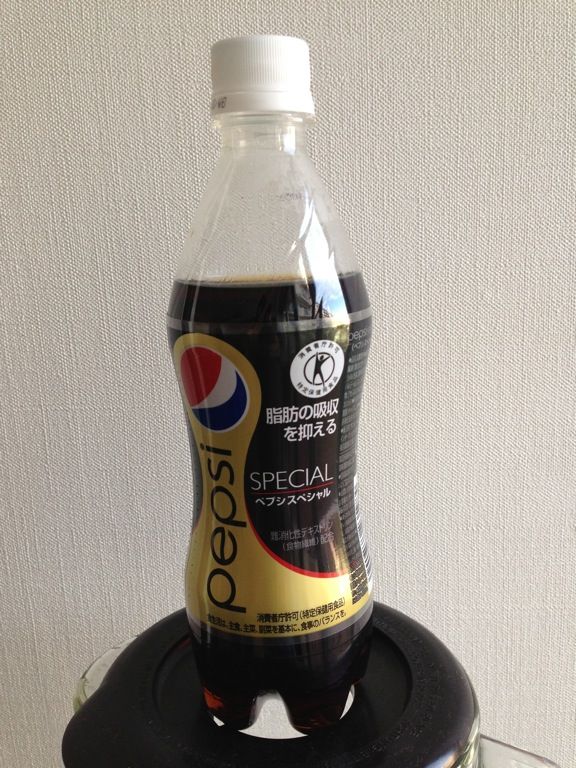
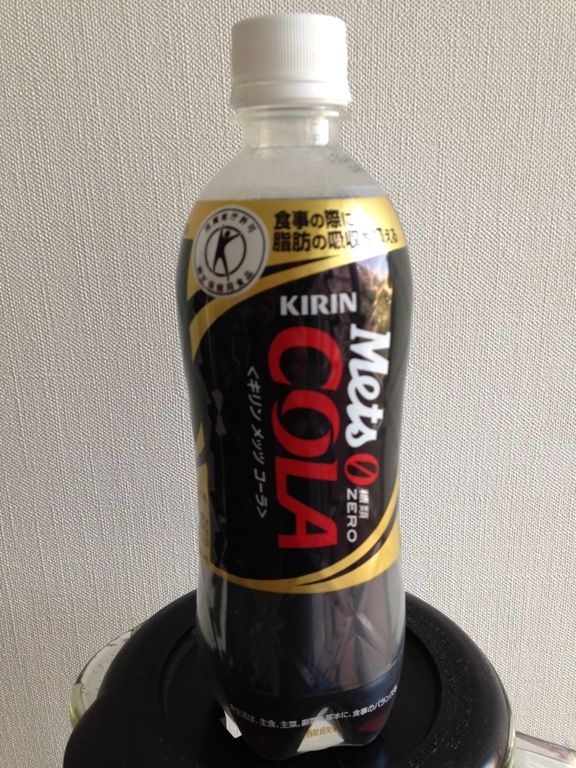
PhotobucketAquest post va dedicat a l'amic Ale :), un gran exemple del poder del (bon) màrqueting en l'indústria alimentària. Resulta que aquesta setmana Pepsico ha començat a comercialitzar al Japó ¨Pepsi special" una nova beguda funcional que es diu que actua bloquejant lípids (greix) i clar vinguén d'una de les grans empreses alimentàries mundials ha esdevingut un "trending tròpic" per la xarxa. No obstant, el que pocs apunten és que de fet Pepsico l'únic que ha fet ha estat pujar al carro de l'èxit obtingut per una de les grans empreses locals, Kirin (en essència productora de cervesa) que a principis d'any va treure al mercat "Kirin Mets Cola", la primera beguda carbonatada de cola amb aquest ingredient "màgic" que bloqueja el greix! El famós ingredient màgic no és res més que un tipus de fibra soluble que suposadament evitaria que part del greix consumit s'absorbeixi a nivell intestinal. Un concepte simple però que ha tingut un èxit sorprenent i alguns ja ho consideren un dels grans èxits dels productes funcionals de l'història japonesa. Imagineu-vos al mes d'haver sortit el producte de Kirin, l'empresa va anunciar que ja havien superat les previsions de venda de tot l'any 2012! Típic japonès...es genera un trending tòpic i multitud de consumidor s'hi aboquen de seguida! Així doncs vist l'èxit de Kirin, Pepsico ara doncs ha decidit pujar-hi al carro, però bé què en podem dir d'aquesta experiència?

Photobucket  This post goes to my friend Ale :), it's a (good) example of the marketing power in the food industry of Japan. This week Pepsico launched "Pepsi special" in Japan, a new functional beverage said to act as fat-blocker, so coming from one of the big companies in the world it quickly became a trending topic and got the attention of world-wide media. However what very few say is that Pepsico just jumped in the success obtained by a local company, Kirin (a traditional japanese brewery), who earlier this year already launched ¨Kirin Mets Cola¨, the first carbonated cola drink containing a "magic" ingredient that blocks fat! This famous ingredient is nothing else but a type of soluble fiber that supposedly would limit intestinal fat absorption. An easy concept but it had a complete unexpected success and it is already being considered as one of the most successful examples of the functional food's history. To put some numbers just think that after its first month of commercialization Kirin announced that sales had already overpassed their forecast for the whole 2012! Looked like a typical japanese example...a new product goes to market, for some reason it becomes a hit and then lots of consumers jump into it. Now, following Kirin success Pepsico decided to join this new segment but what can we say about it?

Un bon posicionament de producte. Aquest ingredient màgic no és nou, present en tot tipus de productes al mercat japonès des de fa anys, aquesta és la primera vegada que es ven com a bloquejador de greix. Fins ara se n'havia destacat el seus suposats beneficis a nivell intestinal o per control el nivell de sucre en sang, tots sense gaire èxit. Aquesta vegada però els de màrqueting s'han adonat que al Japó el sobrepres està pujant, els canvis en el tipus de dieta són evidents amb augment de la proporció de greixos i per tant una recomenació general per part dels actors en salut pública de reduir-ne el consum, i han posicionat el producte per homes de mitjana edat amb interès per mantenir la salut. Aleshores tenim l'evidència científica de l'ingredient, del qual a dia d'avui es podria concloure que hi ha certa evidència que el seu consum també tindria un efecte en la regulació dels greixos, evidència no molt contrastada però suficient per a les autoritats japoneses per permetre aquestes empreses fer al.legacions de salut en... atenció, "modulació del nivell postpandrial de triglicèrids en sang". Això que evidentment pel consumidor no vol dir res, ha estat traduït per aquestes empreses com un benefici "bloquejant l'absorció de greixos" i per extensió és entès com reducció de calories (energia), una traducció però que s'hauria d'agafar en pinces ja que en realitat no seria el mateix amb l'evidència científica present. Finalment per rematar-ho, els productes van acompanyats per unes campanyes publicitàries molt explícites i tendencioses posicionant el productes com la solució davant de dietes desequilibrades i altes en greixos...un missatge completament sobrevalorat però que evidentment ha fet bingo entre els consumidors. A sota us deixo dos anuncis utilitzats per les empreses, el primer de Kirin utlitzant un famós caràcter anime parla per si sol. El segon de Pepsico es veu un home debatent-se entre menjar una hamburguesa i una pizza i acaba dient que amb la nova Pepsi special ara ho pot consumir tot.  

First a good product positioning. This magic ingredient actually is not new, it's been present in many products of the Japanese market since years, nevertheless this is the first time it's been positioned as fat-blocker. Up to now it was positioned providing a benefit at intestinal level or as regulator of blood glucose levels, both without much success though. This time I guess the marketing team knowing of the raise of overweight prevalence  in Japan and the changes in dietary patterns with increased consumption of fat that have made all actors of the public health sector advocate to decrease its consumption, decided to position the product as fat-blocker targeting Japanese adult men with concerns on their health.Then we have the scientific substantiation of the ingredient benefit, which up to now it could be concluded that there is as well some evidence it has a benefit regulating fat blood levels, not much evidence but enough by the Japanese authorities to allow these companies make health claims such "modulation of the postprandial blood triglycerides levels". This that means very little by consumers, has been translated by these companies as a benefit "blocking fat absorption" -a translation that doesn't really reflect the evidence- and further understood as reducing calories (energy), something much more meaningful for them. The last piece of this success is the explicit CM campaign that accompanied these products with advertisement suggesting the consumption of this product to contra-rest the consumption of all kinds of junk food ....certainly misleading but obviously a key factor of the success among consumers. Below the two CM used by the companies, the first, Kirin using a famous anime character and the ad speaks by itself. The second, Pepsico, we see a middle age salaryman struggling between eating a burger or pizza and concluding that now with the new beverages you can eat everything...excellent message to promote balanced diets!  


En conclusió un exitós exemple de màrqueting d'uns productes amb un benefici sobredimensionat i poc fonamentat que molt probablement acabaran esvaïnt-se quan un altre producte miraculós arribi al mercat...així funciona el tema al Japó. 

In short, a good marketing success of two products having an overstated benefit, little substantiation and thus is likely to eventually disappear from the market as soon as other miraculous product reaches it...this is how it works in Japan.

8/11/12

Dinar al Robuchon! - Lunch at Robuchon!

Hola, hola! la setmana passada aprofitant la visita expres de l'estimada Cecília vaig aprofitar per portar-la a dinar a l'Àtelier Robuchon a Roppongi Hills. Feia temps que hi volia anar, el Sr. Robuchon (per aquells que no el coneguin, un dels grans entre els grans de la gastronomia francesa), té varis restaurants escampats pel món, entre ells tres a Tokyo, Le Chateau Robuchon (3 estrelles Michelin), Le Tableau Robuchon (dues estrelles Michelin) i el susdit Àtelier Robuchon (també amb dues estrelles). D'aquest últim m'havíen dit que per dinar era molt recomenable dos feien un menú a un preu molt asequible que et sortia per una gran relació qualitat-preu. Així doncs, finalment vaig trobar una bona ocasió per fer-hi cap. Dit i fet, per dinar tenen diferents menús a preus molt raonables, des de 2000 JPY fins a uns 6000 JPY un pot dinar en un dues estrelles Michelin (no està gens malament). 
El local sense ser res de l'altre món el vaig trobar molt correcte per un menú de migdia amb un toc més "chic". Vàrem dinar a la barra acompanyats d'un cambrer francès molt simpàtic que ens va explicar cada aspecte amb tot detall. Menú de dos plats, postres i cafè per 3900 JPY més el vi vàrem acabar pagant menys de 6000JPY (uns 60EUR). El menjar molt bo, amb una bona combinació de gastronomia francesa i productes japonesos, bona presentació, realment una molt bona relació qualitat-preu. Una bona elecció!

Hey, hey! last week taking the opportunity of the express visit of my dearest Cecilia, we went for lunch to the famous Atelier Robuchon at Roppongi Hills. Since some time ago I wanted to go there, Mr. Robuchon (for those that don't know him, he's one of the best among the best chefs in the French cuisine), has several restaurants over the world, three of them in Tokyo, Le Chateau Robuchon (3 Michelin stars), Le Tableau Robuchon (2 Michelin stars) and the so-called Atelier Robuchon (also 2 stars). From the latter, I had been told their lunch offer was good value for money , so I finally found a good occasion to head there. It was our day since we went there without reservation and got some places, and then indeed they had a lunch menu with different offers from 2000JPY up to 6000JPY, which thinking it was a two star Michelin it wasn't bad at all. 
The restaurants is nothing impressive but I thought it fits quite well with this concept of affordable lunch menu. On top we had a French waiter with us who was very considered with us and explain each one of the details over the course menu. We took the average menu consisting of two dishes (starter and main), dessert and coffee for a more than reasonable 3000JPY which after the wine went up to around 6000JPY (about 60EUR). The food was really good, with a good combination of french cuisine and local ingredients, excellent presentation and therefore a really good value for money relationship. Good choice!

Photobucket

Photobucket

Photobucket

Photobucket

Photobucket

Photobucket

Photobucket

Photobucket

Photobucket

Photobucket

Photobucket

Photobucket

Photobucket

Photobucket

Photobucket

Photobucket

Photobucket

Photobucket